Hello Body House Members;
If I can, I like to theme the issues of The Old Hollywood Newsletter by featuring a star who embodies the spirit of that month.
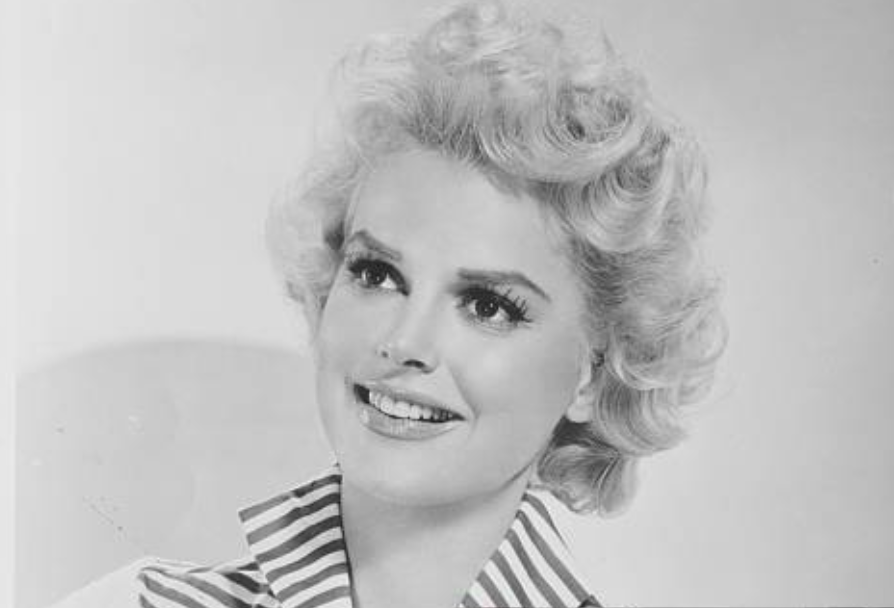
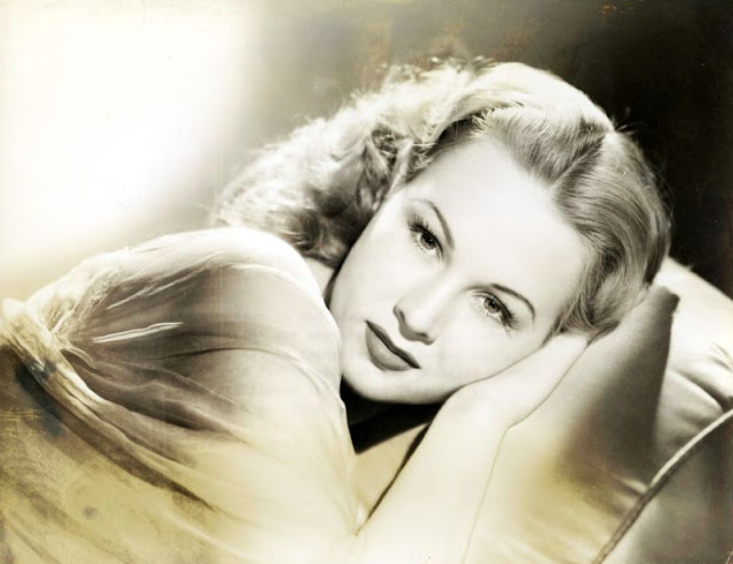
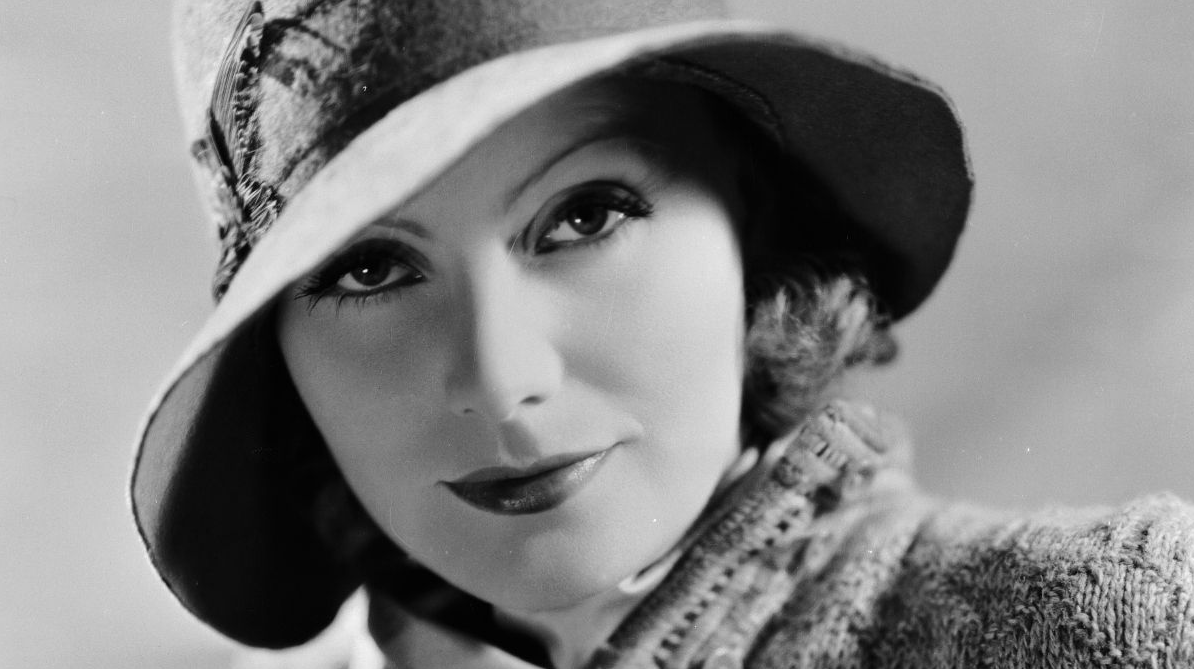
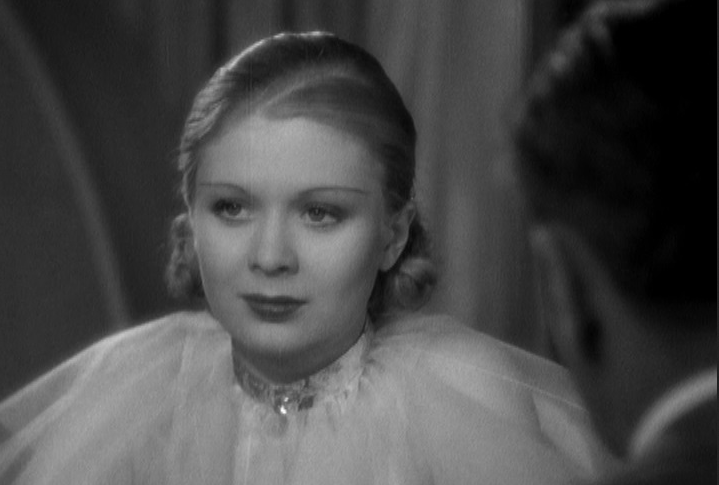
So for October, we have the very lovely and cult classic scream queen FAY WRAY in honor of Halloween.
Fay Wray was a Canadian-American actress best known for starring as Ann Darrow in the 1933 film King Kong. Nicknamed “The Queen of Scream”.
Her acting career spanned nearly six decades, but Wray was always remembered as an actress of horror films. With King Kong becoming a cult classic.
Wray was married three times and had three children.
Discover more about FAY WRAY below…
Thank you for your interest in The Body House.
Stay Sensual, Dyann Bridges – Writer and VO Actor


In the Beginning…
She was born Vina Fay Wray near Cardston, Alberta, Canada, on September 15, 1907 and passed away in her sleep at her apartment in Manhattan in New York City, NY, just weeks before her 97th birthday on August 8, 2004.
As tribute, two days after her death, the Empire State Building dimmed its lights in honor of Wray. A symbolic tribute to the climax of King Kong where the giant ape climbs the skyscraper with Wray’s character in hand. (It’s also part of the Old Hollywood Newsletter logo. See below)

She stood just 5′ 3″ tall.
Fay was from a large family that included five siblings.
Her family moved to Arizona when she was still small in order for her father to find better work than what was offered in Alberta.
They then moved to California where Wray was brought up in Los Angeles and entered films at an early age.
Sadly, after moving to California, her parents divorced, which put the rest of the family in hard times. However, living in Los Angeles, the heart of the movie business, gave her ample opportunity to take advantage of the opportunities.
So, Wray was barely in her teens when she started working as an extra. Then she went on to be the female star in westerns at Universal Studios during the silent era.
At the age of 16, Fay played her first role in a motion picture. It was a small film called Speed Bugs (1923). The film was not a hit, nor was it a launching vehicle for her career.
It would be two more years before she ever got another chance. When it did come, it was another lackluster film called The Coast Patrol (1925).
Four more films followed and then in 1926, and her career finally took flight.
Each year, the Western Association of Motion Picture Advertisers selected 13 young starlets it deemed most likely to succeed in pictures.
Wray, along with Janet Gaynor and Mary Astor were a few of the lucky ones.

Early Career & Rise to Fame
On the heels of getting noticed by the Western Association of Motion Picture Advertisers , Wray made three films in 1927.
Then, in 1928, she played the lead, Mitzi Schrammell, in the hit The Wedding March (1928). She had made the successful transition into the “talkies.”
**It should be noted that many big film stars at the time retired from the movies. The story sold to us was that their voices were so unpleasant it put audiences off. I DON’T believe that to be the case.
Lillian Gish said in an interview years later, that many silent era film stars were disappointed with the advancement of film technology. It was due to the lack of expressiveness and inventiveness that was forced upon a film crew when they only had the visual medium to work in. Mary Pickford felt the same way about the move to ‘talkies’.
I also think that many of the silent era film stars did not have much stage training before getting into film. This made it very difficult to suddenly have to learn lines to act their parts.**
1933
1933 was a busy year for Fay Wray. She appeared in eleven films, including The Big Brain (1933), The Vampire Bat (1933), and Ann Carver’s Profession (1933).
Of course, it was another film that year which placed her in cult classic stardom forever.
Wray was cast as Ann Darrow in the ground-breaking film King Kong (1933).
King Kong wound up being named one of the 100 greatest films of all time by the American Film Institute in 1998 and again in their 2007 list.
After Kong, she continued her furious pace in films, making eleven films again in 1934, including Once to Every Woman (1934), Viva Villa! (1934), and Alias Bulldog Drummond (1935).
After that thought, her career took a long slow decline. Although before it ended, Wray had racked up more than 60 movies.
After Kong, in 1939, Wray’s 11-year marriage to screenwriter John Monk Saunders ended in divorce.
Additionally, she did just one film in 1942 — Not a Ladies’ Man (1942) — and Wray would not be in another film until Treasure of the Golden Condor (1953). She then starred in the television series The Pride of the Family (1953–55).
In addition, Wray wrote some plays that were staged in regional theaters, and in 1989 her autobiography, On the Other Hand, was published—its title a tribute to the giant model of Kong’s hand in which she did her most famous acting.
Her last performance, was a made-for-television movie, Gideon’s Trumpet (1980).

KING KONG

In 1933 Fay was approached by producer Merian C. Cooper, who told her that he had a part for her in a picture in which she would be working with a tall, dark leading man.
What he didn’t tell her was that her “tall, dark leading man” was a giant gorilla, and the picture was the soon-to-be-classic King Kong (1933).
Perhaps no one in the history of pictures could scream more dramatically than Fay Wray.
Her character, Ann Darro,w provided a combination of sex appeal, vulnerability and lung capacity as she was stalked by King Kong to the top of the Empire State Building.


Final Years and Legacy
With the except of a TV movie — Gideon’s Trumpet (1980) — from about 1965 until her death in 2004, Fay Wray lived a quieter life, largely out of the spotlight. She stayed close with all her children until her final days.
She remained active in Hollywood circles in a more honorary capacity. Wray would occasionally attend retrospectives, film festivals, or interviews celebrating classic Hollywood and the Golden Age of Cinema.
Wray wrote a memoir in 1988, entitled On the Other Hand: A Life Story.
In the early 2000s, King Kong became an enduring cult classic and renewed interest in her and the movie surged.
Wray often expressed pride in the film, but also a bit of amusement at how it had overshadowed the rest of her extensive career.
In 2004, Director Peter Jackson, who was preparing his remake of King Kong (released in 2005), wanted to include Wray in the film as a cameo.
She reportedly declined, saying;
“No. That movie’s already been made.”

Experience Fully Immersive Audio Erotica Like No Other…
HEAT AUDIOBOOKS – HEAT = HAPPILY EVER AFTER with a little TEASE
CLICK THE PIC FOR MORE..

FAY WRAY’S TOP 3 MOVIES
KING KONG

Although the story line and characters of King Kong are all in the public domain, the film itself is not.
Not until 2029. Then we can have full unfettered access to this iconic film.
In the meantime, I’ve found ways for you to view it easily for FREE since I can’t find the entire 1933 version on youtube.

THE MOST DANGEROUS GAME (1932)

Starring JOEL MCCREA, LESLIE BANKS, ROBERT ARMSTRONG & FAY WRAY
Directed by Ernest B. Schoedsack and Merian C. Cooper
The Most Dangerous Game” is a 1932 Pre-Code adaptation of the 1924 short story of the same name by Richard Connell, the first film version of that story.
THE MYSTERY OF THE WAX MUSEUM (1933)
Starring: LIONEL ATWILL, FAY WRAY, GLENDA FARRELL
Directed By MICHAEL CURTIZ
“The Mystery of the Wax Museum” (1933) is known for its early use of two-color Technicolor and is considered a pioneering film in the horror genre.
Fay Wray plays Charlotte Duncan, a beautiful young woman who becomes a target of Igor’s obsession. He wants to immortalize her in wax—but not in the way people might think.
A few notable aspects of this film are:
- The Mystery of the Wax Museum is one of the last major studio films shot in two-strip Technicolor before full three-strip Technicolor became standard. (The limited color palette enhances the horror atmosphere somehow)
- Since this movie was released before the Hollywood Production Code (The Hays Code) was enforced, it features more graphic and mature themes than would have been allowed just a year later.
- Glenda Farrell’s character is unusually modern for the time—a brash, independent woman who drives much of the plot. (Although, much of this is because there were still tight restrictions on where women could find work in US society in general)
It should be mentioned that the later remake “House of Wax” (1953), which stars Vincent Price, is better known today, but draws heavily from Mystery of the Wax Museum’s original plot
To Watch a FREE version please click the pic or click the link…

DOCTOR X (1932)
Starring; LIONEL ATWILL, FAY WRAY, LEE TRACY
Directed by MICHAEL CURTIZ
Writers – George Rosener, Robert Tasker & Earl Baldwin
Doctor X (1932) is a horror‑mystery in early Technicolor about a journalist investigating a string of gruesome “moon murders” where victims are strangled and cannibalized under full moons.
This leads him to a medical academy, where suspicion—and danger—lurk around every door.
Another Fay Wray classic, pre-King Kong and pre-code.
I found a FULL Free version online here…. It’s got Spanish subtitles, but still very watchable.
Enjoy!

https://thebody-house.pixels.com/
Celebrate Vintage Sensuality with us on Substack here… https://bodyhousechronicles.substack.com/

FAY WRAY PHOTO GALLERY


FAY WRAY’S LOVE LIFE
Wray was married three times. She had three children.
John Monk Saunders (Married 1928–1939)
Her first husband, was John Monk Saunders, a successful screenwriter known for works such as Wings (1927), which won the very first Academy Award for Best Picture.
They married in 1928, during the height of Hollywood’s Golden Age.
The marriage, however, was troubled, largely due to Saunders’ struggles with alcoholism and depression.
They divorced in 1939, just a year before Saunders tragically took his own life.
From their union, Wray had one daughter, Susan Saunders.
Susan later followed in her parents’s footsteps, working in the entertainment industry, including as a writer, actor and producer.


Robert Riskin (Married 1942–1955)
Wray found lasting love with her second husband, Robert Riskin.
He was a respected screenwriter and producer best known for his collaborations with director Frank Capra on films like It Happened One Night (1934).
They married in 1942 and remained together until Riskin’s death in 1955.
Wray and Riskin had two children together—a daughter, Victoria Riskin, who would go on to become a writer, psychologist, and television producer, and a son, Robert Riskin Jr.


Dr. Sanford Rothenberg (Married 1971–1991)
Dr. Sanford Rothenberg was a well respected neurosurgeon.
They married in 1971, many years after her second husband’s death, yet it was Riskin’s death that brought them together.
Rothenberg was part of the medical team treating Robert Riskin as the time of his passing. Clearly they appreciated each other during this difficult time. Their marriage lasted until Rothenberg’s death in 1991.
Wray and Rothenberg did not have children together.
Pictures of Wray and Rothenberg below..


Find more in the Body House POD Shop
ALL Links – https://linktr.ee/bodyhouse1
Join The Old Hollywood Newsletter – Celebrating Vintage Sensuality

Contact: thebodyhouse.biz@gmail.com
Discover more beautiful classic movies stars here:
RHONDA FLEMING
GALE ROBBINS
MERLE OBERON
POLA NEGRI
ANNE BAXTER
GLORIA GRAHAME
ROMY SCHNEIDER
Don’t Forget to Get That Beautiful Mug on a Mug!