This review is for the 1936 version of MY MAN GODFREY.
There have been several productions of this movie, but I think the original (of anything) sets the tone for all later adaptations.
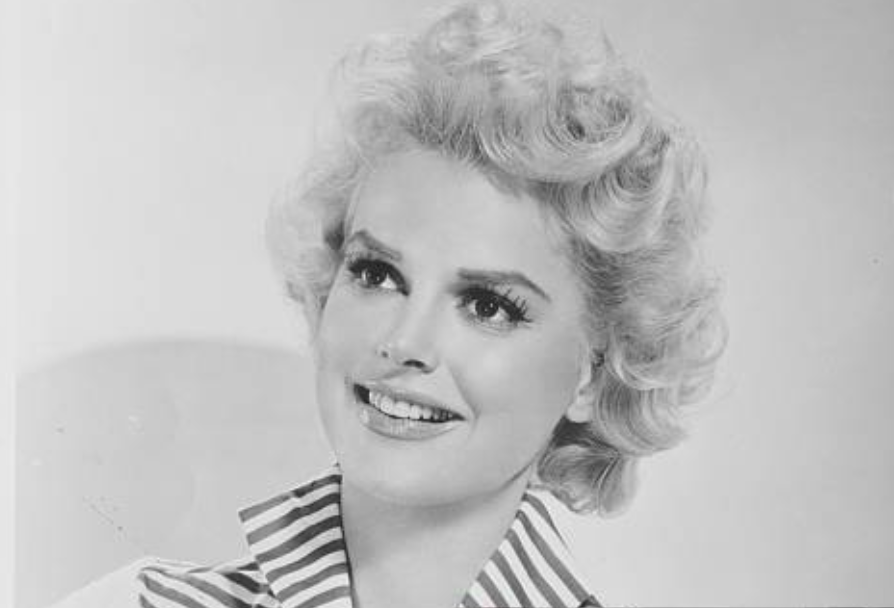
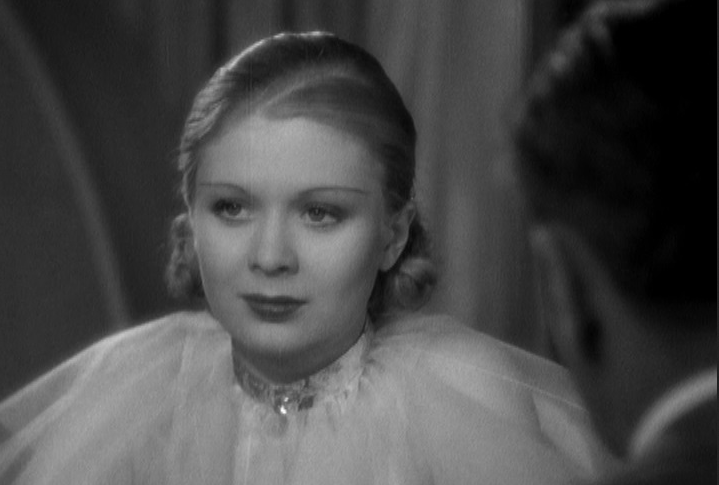
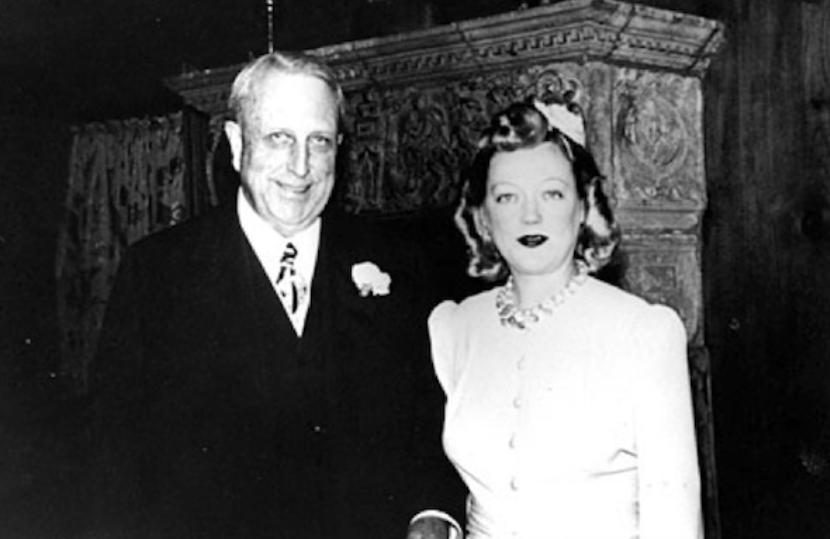
Below, Carole Lombard and William Powell…

SUMMARY
My Man Godfrey (1936) is a screwball comedy directed by Gregory La Cava, set during the Great Depression.
The film centers on Godfrey, a homeless man (played by William Powell), who is hired by a wealthy socialite named Irene Bullock (Carole Lombard) as the family butler.
As Godfrey becomes more involved with the eccentric, dysfunctional Bullock family, he gradually reveals his surprising backstory and begins to challenge their superficial, materialistic lifestyle.
The movie is a sharp commentary on class, privilege, and the American social order, all wrapped in witty dialogue and absurd situations.
It’s a charming, light-hearted story with a touch of romance and a bit of social critique.
MAIN CHARACTERS
- Godfrey “God” Parke – William Powell
A refined, but initially homeless man who is hired as the Bullock family’s butler. His mysterious background and unexpected wisdom make him a key figure in the film’s social commentary. - Irene Bullock – Carole Lombard
A spirited, and razor sharp socialite who likes to play it a bit ditzy. She hires Godfrey. She quickly develops a romantic interest in him, and her quirky personality adds to the film’s humor. - Cornelia Bullock – Gail Patrick
Irene’s more cynical and snobbish older sister. She disapproves of Godfrey and creates conflict throughout the movie. - Alexander Bullock – Eugene Pallette
The wealthy, somewhat oblivious patriarch of the Bullock family. He’s constantly dealing with the family’s chaotic situation. but is mostly preoccupied with his own world. - Mrs. Bullock – Elizabeth Risdon
The Bullocks’ dramatic and emotional matriarch, who plays a smaller but still notable role in the family’s dysfunction.
Directed by
Screenplay by
- Morrie Ryskind and Eric Hatch
- Contributing Writers: Zoe Akins and Robert Presnell Sr.

REVIEW
I found this movie to be surprising delight.
At first, I wasn’t sure where it was going or if I was going to like any of the characters.
However, when you allow yourself to let the dialogue seep in, you realize there is much more going on her than meets the eye.
The writing is tremendously good.
One might think (‘one’ meaning me) that William Powell’s character — Godfrey — would be a hopeless bore. Especially, since we see him as a homeless scruff in the beginning of the movie.
Not so. Powell, is the anchor of the entire movie. He is calm, stoic and calculating.
Powell becomes the butler to a wealthy family, the Bullocks. We see this family interact in ways that are complex — loving, yet kinda crazy.
They need each other — the Bullocks and the butler. They need his reliable and steady presence and he needs the job and a place to call home.
The head of the Bullock family is a successful business man with little patience.
The wife is one of those people who is ‘always performing’ — meaning all the world’s her stage. She’s dramatic, emotional, yet discerning and caring
They have two daughters. Carole Lombard plays Irene, the younger of the two.
Irene is bold, impulsive and very smart. Her sister Cornelia, is arrogant and cool, but is still full of life.
It seems Irene is attracted to Godfrey right away and spends the rest of the movie baiting him. Eventually, it becomes clear Godfrey is smitten with her too, albeit in his own subtle way.
What Stands Out…
For me it, what stood out, was the dialogue. From most every character except Godfrey, the lines are delivered in rapid fire. Whether this is a directorial or acting choice is not known.
Although, it does emphasize the fact that Godfrey is the most grounded in the Bullock home. It adds to the very definite contrasts of personality and behavior.
Speaking of behavior, Lombard’s character is more teen-like than the marriage-aged woman she actually is. Lombard would have been about 28 when she made this movie.
Yet, the director has her bouncing and running around more like a teenager.
The opposing demeanor between her and Powell is stark — yet it all works.
Instead of looking silly, Lombard comes off as a bright and bubbly woman. Effusive in nature, highly intuitive and irrepressible.
Powell, instead of seeming stodgy, which could have easily happened with a lesser actor, comes across as the quiet type who keeps his feelings close to the vest.
I won’t spoil the ending for you, but it’s this very contrast that sets up a finale that is both surprising and believable.
To think this dynamic was so effective and acceptable in 1936 is a bit mind blowing.
Recommended?
Frankly, yes, I would.
However, you need to be the kind of person who appreciates these types of early movies. In 1936, sound in movies had been around for only 6 or 7years.
Silent movies were all about facial expressions, big physical gestures and timing. The movies of the 30s — the ‘talkies’ — recognized that keeping audiences glued to the screen meant witty dialogue with a snappy delivery.
In that way, My Man Godfrey, delivers.
Some viewers might find the lack of locations somewhat monotonous.
Most of the movie takes place in the rooms of the Bullock’s home. Since its a big place there are many rooms, but for modern watchers it could get dull.
That aside, it’s a real pleasure to watch these actors. Their delivery of these lines is quick and polished and full of energy and timing. It’s not the kind of acting you see today. Frankly, it looked much harder back then.
So, if you’re in the mood for a light comedy this is a fun one. Below is the best copy I could find on the internet. Find it on youtube or Odysee.
WATCH NOW ON ODYSEE OR BELOW…

Thank you for your interest in Celebrating Vintage Sensuality.
CONTACT DYANN: thebodyhouse.biz@gmail.com
ALL Links – https://linktr.ee/bodyhouse1