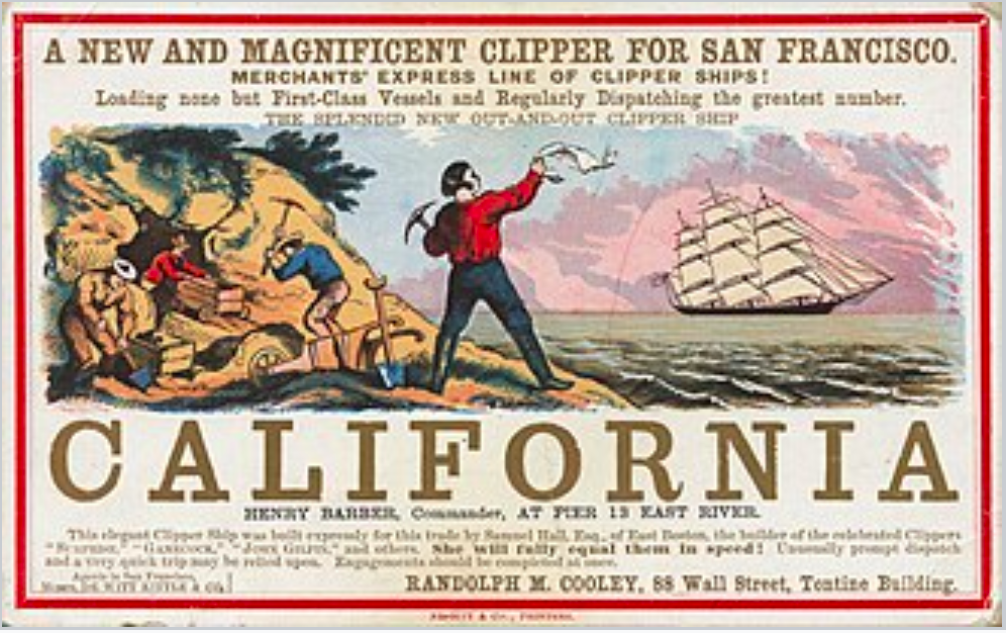
California became the 31st state of the United States on September 9, 1850.
Since then it has attracted some of the most eclectic group of citizens anywhere in this country. Many of those people were artists and innovators of all kinds.
It was driven directly by the chaotic population explosion of the California Gold Rush (1849–1850).

The first newspaper published (by Americans) in California was The Californian. It was printed in Monterey in 1846. It was written half in English and half Spanish.
California was a Mexican occupied territory from 1821 to 1848.
Since then, the power of newspapers became a foundational force in the development of California and in particular —> Hollywood.
It’s important to understand that newspaper publishers of the time, were the only source of media. Television would not reach homes until the 1950s.
Radio wouldn’t find it’s way into American homes until the early 1920s. By then, the Hollywood foundation was already in place and changing fast.
It was the newspaper publishers who not only promoted the movie industry — they financed its infrastructure, manufactured its cultural legitimacy, and engineered the ‘star system’.
Below —→ The Daily Alta California was California’s first daily newspaper. (Published from 1849 to 1891)

By the time Cecil B. DeMille arrived in late 1913, the groundwork was already being laid and not just by filmmakers.
It was real-estate developers, newspaper publishers, transportation companies, theater owners, advertisers, and civic boosters who saw the coming tsunami of business potential.
The newspapers helped create the market in which Hollywood could flourish…
They promoted Southern California, advertised entertainments, publicized performers, reported on the growing movie business, and eventually turned movie stars into household names.
The Los Angeles Times also promoted regional development and helped encourage the film industry to locate in the area.

The Critical Role of the Los Angeles Times in Building Hollywood
1881–1909
Harrison Gray Otis became editor of the Los Angeles Times in 1882 and helped turn it into a powerful regional newspaper. Its reporting, editorials, advertising, and influence over civic affairs made it an important institution in Southern California’s growth.
His son-in-law, Harry Chandler, worked within the Times organization and became increasingly important in the newspaper’s business and real-estate interests.
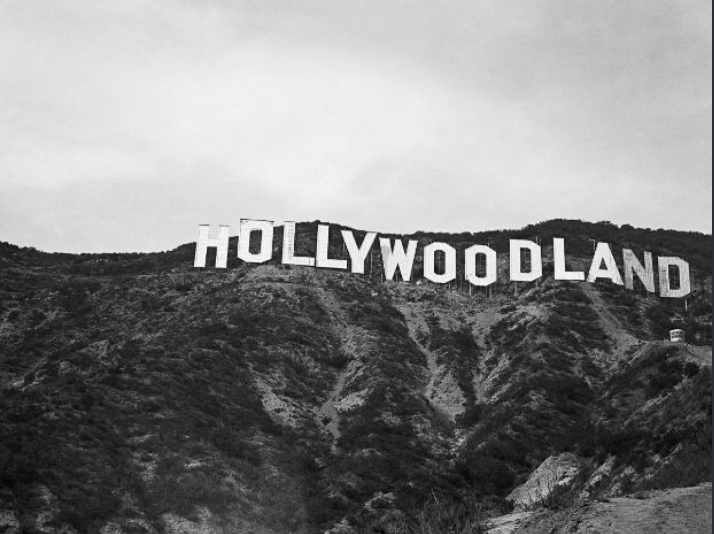
Chandler was the publisher who succeeded Harrison Gray Otis at the Los Angeles Times in 1917 and was the man behind the HOLLYWOODLAND sign which was an effort to attract real-estate and business development .

1903 — The Los Angeles Examiner is established
William Randolph Hearst launched the Los Angeles Examiner in December 1903.
This was after he’d worked to build the San Francisco Examiner into a powerhouse newspaper having acquired it in 1887.
This created a powerful competitor to the LA Times.
Hearst’s organization can be attributed to directly developing entertainment publicity.
The San Francisco and LA Examiners were part of the newspaper world that developed the style of reporting known as “yellow journalism”.
Essentially, yellow journalism is a style of mass-market newspaper reporting that prioritized sensationalism, scandal, graphic illustrations, and emotional manipulation over factual accuracy.
Of course, ‘yellow journalism’ was done to drive up circulation and Hearst became a master at it.
It might even be regarded as the first ‘tabloid style’ news reporting in the US.
Hearst‘s direct influence on Hollywood’s early development can not be underestimated.
Hearst is quoted as saying;
“We hold that the greatest right in the world is the right to be wrong, that in the exercise thereof people have an inviolable right to express their unbridled thoughts on all topics and personalities, being liable only for the abuse of that right.”
The term ‘yellow journalism’ refers to — The Yellow Kid — from a hugely popular, color comic strip called Hogan’s Alley, created by artist Richard F. Outcault.
Hearst competed with Joseph Pulitzer’s – New York World and his own New York Journal with over-the-top tactics as “yellow-kid journalism” – when they ran competing version of the cartoon in their newspapers.
The press quickly shortened it to “yellow journalism.”

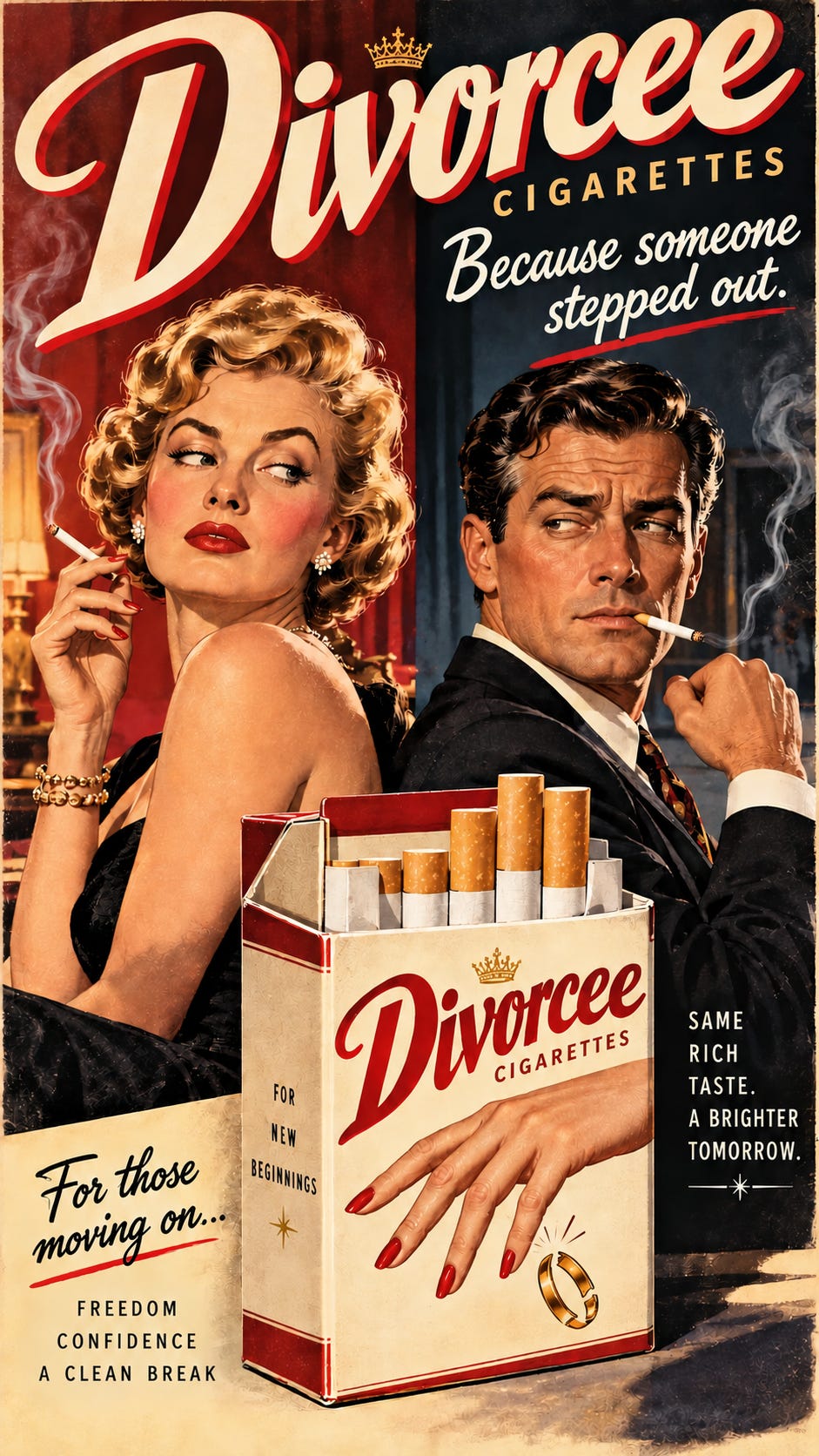
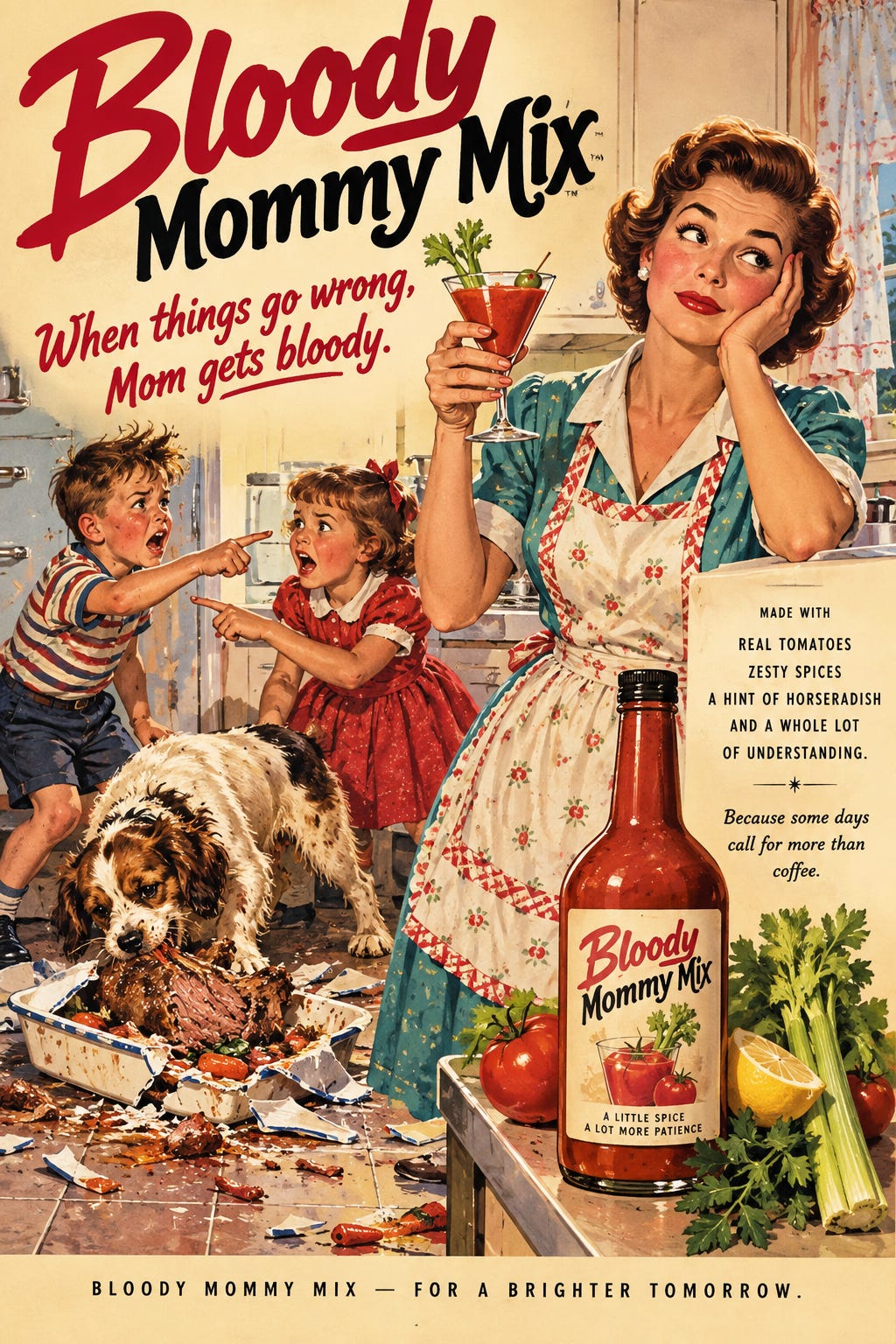
For more more Faux Vintage Ads like the one below, visit The Old Hollywood Vault.
1900–1910 — Transportation, Utilities, and Population Growth
Now, if you want to have a successful business within a successful industry – you need a lot of customers.
The first decade of the 20th century saw an explosion of growth in California.
A huge influx of people from the eastern parts of America poured into the beautiful, sunny young state.
Settlers looked to take advantage of the region’s weather and resources.
Electric streetcars, suburban development, and improved connections between Los Angeles and the surrounding communities helped create the conditions for a growing film business.
Hollywood’s incorporation in 1903 and consolidation with Los Angeles in 1910 brought it into the larger city’s municipal framework.
You’ll be surprise to learn that the man who first registered the name ‘Hollywood’ – Harvey H. Wilcox – had nothing to do with the movie business. In fact, he was a wheelchair bound real estate developer and former shoemaker.

1905–1912: Newspapers begin shaping movie culture
This is where the newspaper story becomes especially important. The press did not simply advertise an industry that already existed.
Newspapers helped audiences learn what moving pictures were, where to see them, which films were worth seeing, and which performers were becoming famous.
Research by film historian Jan Olsson specifically examines the relationship between Los Angeles journalism and early film culture from 1905 to 1915.
It documents how newspaper coverage evolved from treating cinema as a novelty to developing mutually beneficial relationships with the film business.
This included distribution of — theater coupons and collaborations involving newsreels which brought news from around the country and the world that would otherwise not reach.

1905–1910 — Los Angeles Times
Under Otis, the Times was a major force in shaping civic opinion and promoting the growth of Southern California. Newspaper advertisements helped local theaters reach paying audiences, while news and commentary gave the new medium visibility and legitimacy.
The LA Times building as it stood in 1926 below…

1903 onward — Los Angeles Examiner
Hearst’s paper competed for readers and advertising with the Times.
The Examiner’s significance belongs to the broader expansion of mass-market journalism and the connections between newspapers, entertainment promotion, and popular culture.
The LA Examiner in early 1900s…

1900–1911 — Los Angeles Herald
An established local paper with coverage of business, civic affairs, and entertainment.
The Los Angeles Herald’s later coverage of the emerging Hollywood scene makes it another valuable source that contributed to the exposure and understanding of the burgeoning movie industry.


1905–1910 — The Entertainment Trade Press Publications
Publications such as Variety (founded in 1905), Moving Picture World (1907), and Motion Picture Magazine (1911) helped circulate information about performers, productions, theaters, and the business of motion pictures.
These publications served a different purpose from metropolitan daily newspapers. They educated readers on the business of show business, as well as, entertainment enthusiasts.
Additionally, these trade publications taught exhibitors how to publicize films in their own communities.
By 1919–1920, the trade press was devoting substantial attention to exhibition advertising and publicity techniques.
THE END
There’s lots more to come on the beginnings of Old Hollywood and how the Krotona Community / Theosophical Society shaped the people within the industry.
THANK YOU FOR CELEBRATING OLD HOLLYWOOD GLAMOUR & VINTAGE SENSUALITY WITH US
Contact: thebodyhouse.biz@gmail.com
For more more Faux Vintage Ads like the one below…
Visit The Old Hollywood Vault.